
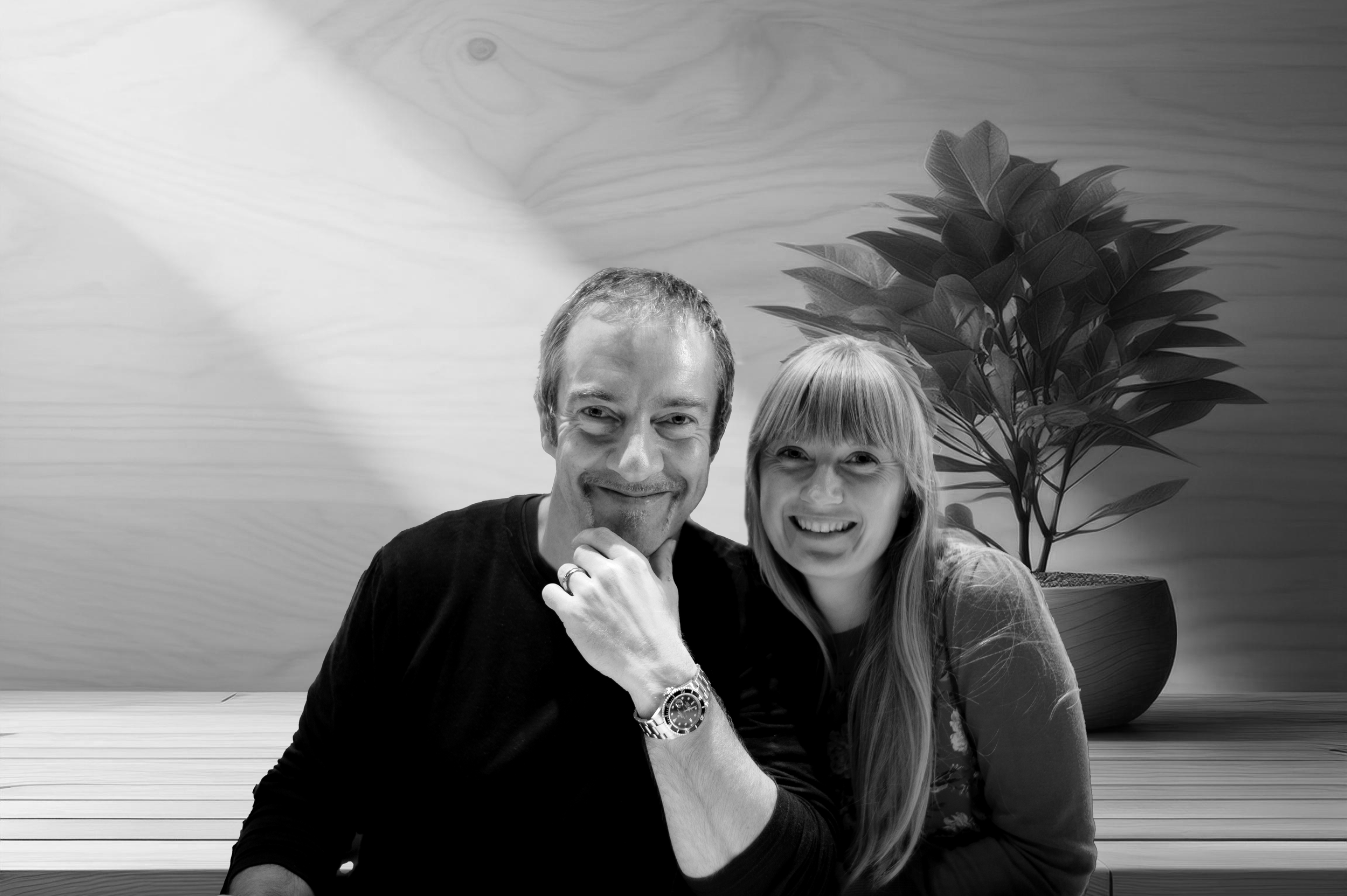
We started with a material that nobody had ever heard of.
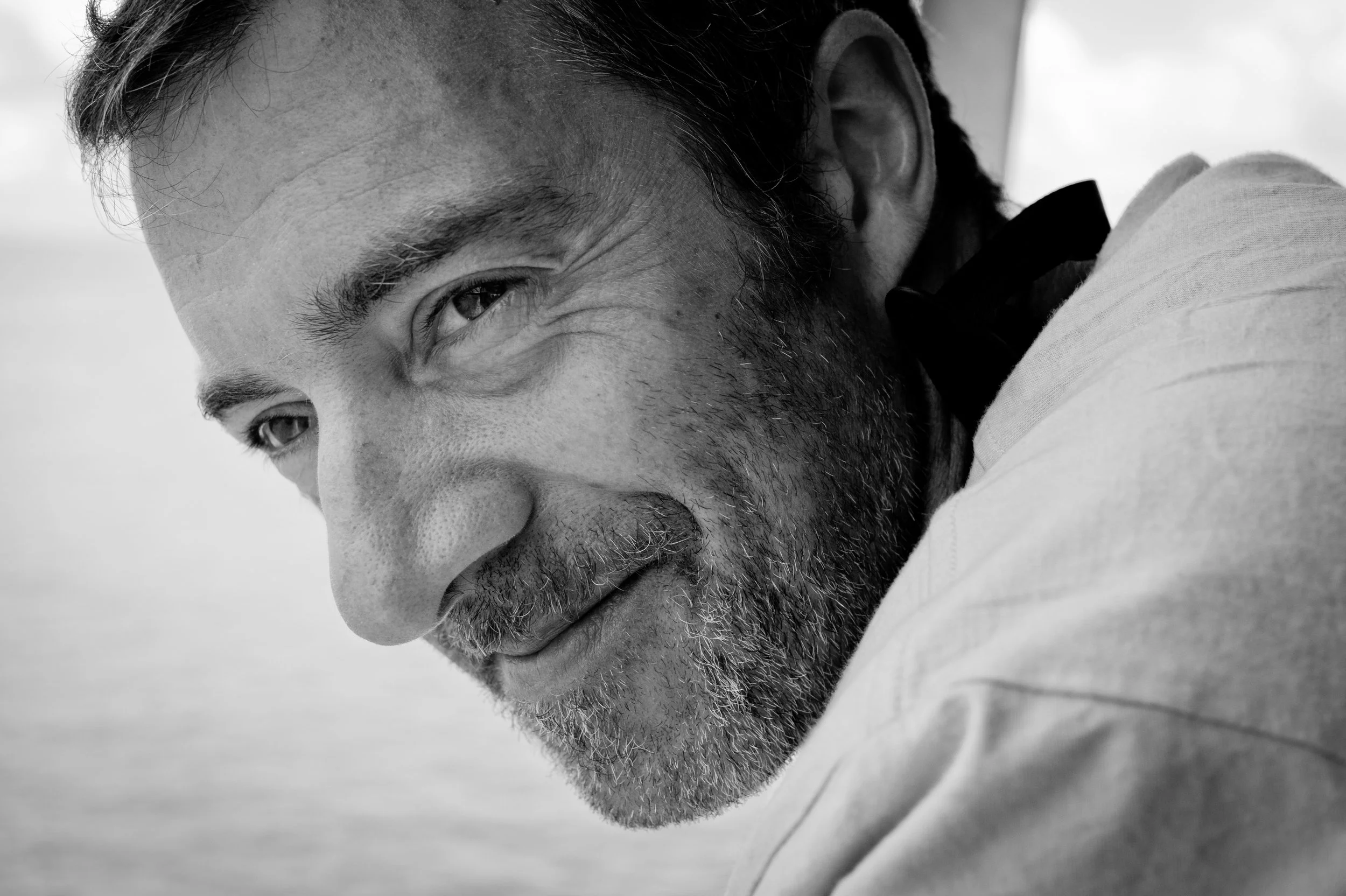
In 2000, Richard Palmer had an idea on a ski slope. A non-Newtonian material that stayed soft and flexible until the moment of impact, then hardened instantly to absorb the force.
It worked. The science was sound. The potential was real.
Nobody cared.
Not because it wasn’t good enough. Because nobody understood what it was, why it mattered, or why they should believe in it. D3O was a genuinely new thing in a world that needed convincing, and convincing takes more than a good product. It takes belief.
Ninety-seven investor pitches later, Richard had learned something that no business school teaches: in the gap between innovation and adoption, brand isn’t decoration. It’s infrastructure.
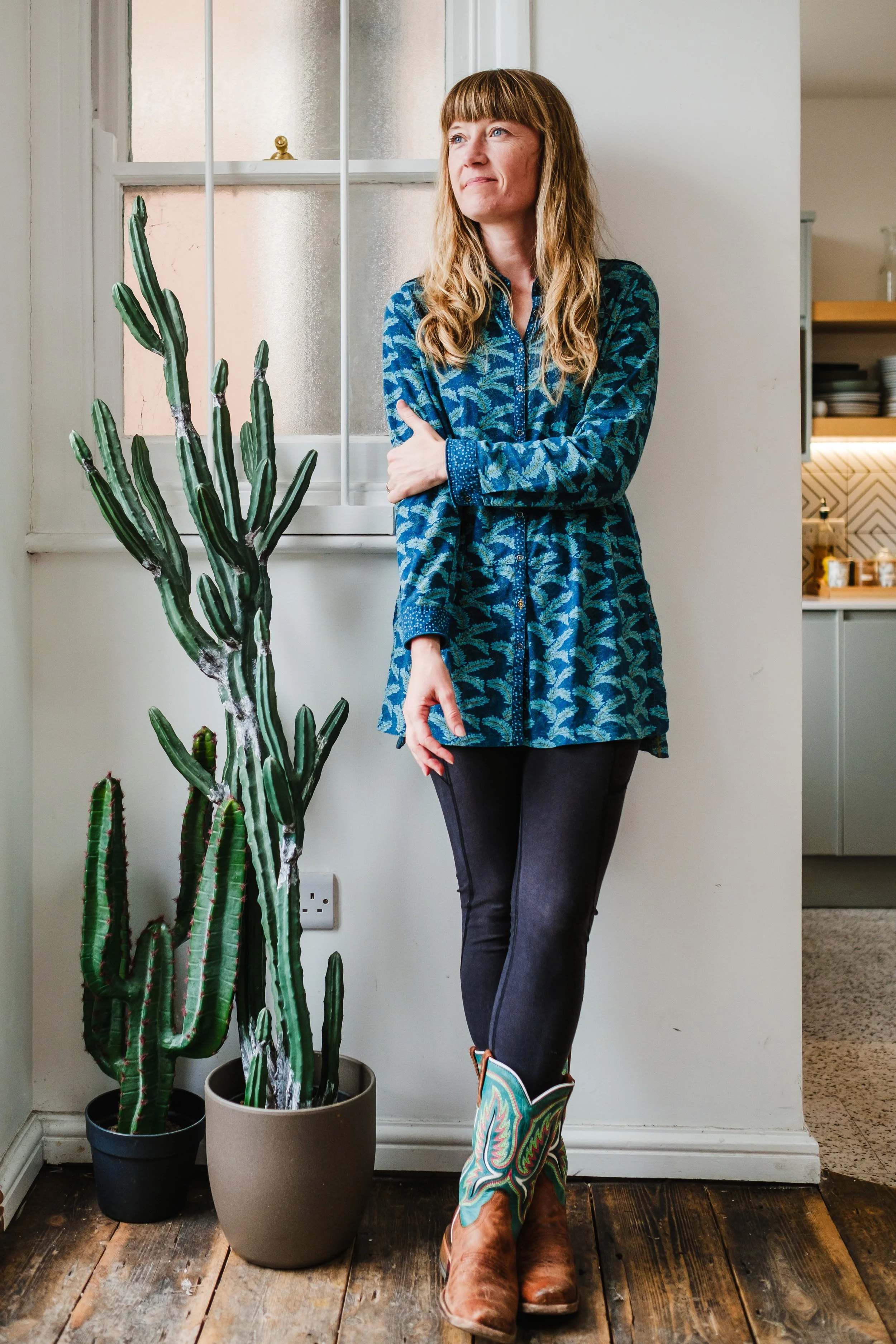
Ruth Palmer was tasked with building a brand around a technology that most people couldn’t pronounce, in a category that didn’t yet exist, with a budget that wouldn’t cover a single trade show. She learned quickly that the only currency that mattered was story. Not the polished kind. The true kind, rooted in genuine belief about what the technology could do for the people who needed it.
Together, Ruth and Richard built D3O into a brand that Olympic athletes wore, global sports companies licensed, and the Science Museum displayed. Not through advertising. Through understanding the ecosystem they were part of, and finding ways to become essential to it.
Most founders discover this the hard way.
They build something genuinely new and valuable. And then they walk into a room and watch it land with a thud. Not because the idea is wrong, but because the story isn’t there yet.
The product exists. The belief doesn’t.
This is the gap Palmer&Co was built to close.
Lessons from the sequoias.
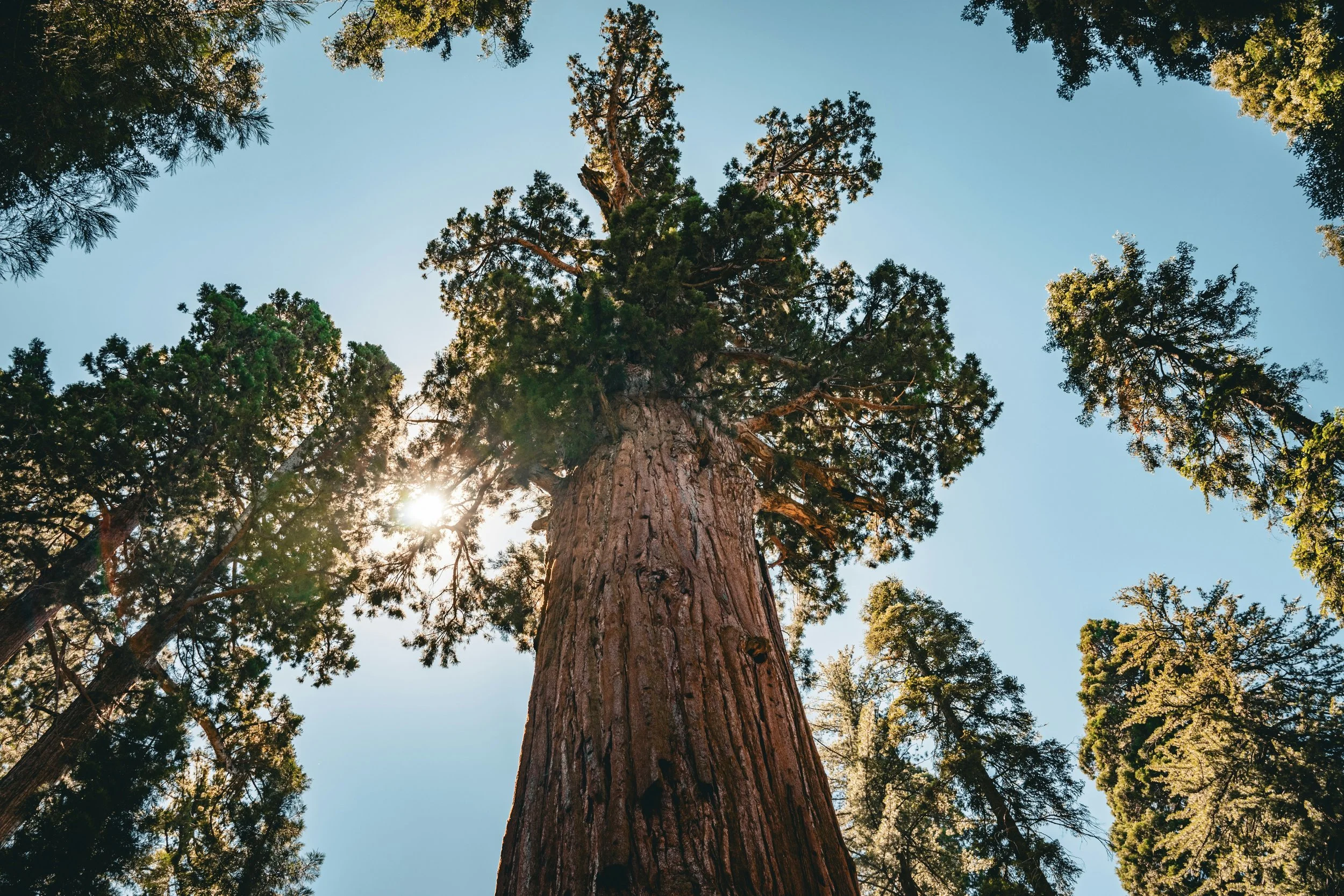
The first time Ruth walked among sequoias, D3O was still finding its footing.
They were in California, visiting the chairman they’d somehow managed to inspire: Hap Klopp, founder of The North Face. Standing among those trees for the first time, something shifted. Not a business insight. Something more instinctive. A feeling that scale like this was possible. That what they were building could become something genuinely enormous. That if a seed this small could become something this vast, maybe D3O could too.
It was exactly what they needed to believe at exactly the right moment.
The sequoias receded as the startup whirlwind took over. Years of building, pivoting, pitching, losing and winning followed. The trees stayed in the background, a memory of possibility rather than a source of wisdom.
Then, last year, Ruth & Richard went back. This time with their son. D3O was long established. Palmer&Co was taking shape. And the whirlwind had finally stilled enough to actually listen.
Walking among them again, older trees, same forest, different eyes, the second lesson landed. Not just that scale is possible. But how it happens. Not through dominance or speed or outspending the room, but through becoming essential. Through root systems that intertwine beneath the surface, sharing resources and building collective strength. Through contributing so much genuine value to everything around you that your absence would leave a gap nothing else could fill.
That’s when Seed to Sequoia stopped being a metaphor and started being a framework.
Ecologists call these keystone species. We call them keystone brands. And building them, for founders at every stage, with whatever conditions they’re working in, is what Palmer&Co is here to do.
The sequoias weren’t just showing Ruth that D3O could be huge. They were showing her how. It just took three visits and twenty years to fully hear it.
Let’s talk
If any of this chimes with you, drop me a line at ruth@palmerand.co - or fill in the form opposite and I’ll get back to you at sunrise.