
Build Slow. Grow Fast.
The world is moving fast. Technology is compressing timelines. Competitors seem to be shipping, raising, hiring, growing, all at once, all apparently without the hesitation you feel when you stop to ask whether you’re doing this in the right order.
So you don’t stop. You race. You build the brand because the deck is due next week. You commission the website because customers need somewhere to land. You do it all at once, because the pressure to do it all at once feels like survival.
We understand that pressure. We felt it ourselves - from the inside of a company where the material was revolutionary and the window felt narrow - the temptation to skip the slow work (or just stop to think) was constant. And we made every mistake the pressure produces. Human’s are so habitual - when we’re in go-fast mode, it’s really hard to switch gears.
This isn’t an article about discipline or patience. It’s about something more practical: the compounding cost of foundations that were never properly laid, and why the founders who slow down at the beginning almost always race ahead later.
Why we skip things.
Nobody skips the foundational work because they don’t care about it. They skip it because they’re in a hurry to prove something before it fully exists.
Sometimes the pressure comes from outside, investors who want to see traction before they’ll commit, accelerators with demo days on the horizon, a market that feels like it’s moving faster than you can. Sometimes it comes from inside, the founder drive that got you here in the first place, the impatience that is, on the whole, one of your greatest assets (but, founder brain can also lead you astray - down many side alleys that are actually dead ends.
And sometimes it’s simpler than either of those things. We’re all just more impatient than we used to be. The world is accelerating, technology compressing timelines, news cycles shortening, expectations rising - and somewhere along the way we started trying to match that speed in how we build. As if moving at the pace of the outside world was the same as moving intelligently through it.
There’s also the invisibility problem. You can’t share a customer insight on LinkedIn. You can’t demo a positioning framework at a pitch. But you can share a new logo. You can announce a rebrand. You can show a website that looks like you’ve arrived - and you get an immediate dopamine hit out of this, even if it’s short lived.
So sometimes, founders reach for the visible work first. The deeper work can wait.
Except it can’t. Because the deeper work is what makes the surface work function.
What the pressure actually costs.
When a brand is built before the customer is understood, it gets built for an imagined person rather than a real one. The story sounds right but doesn’t land in the real world - it’s actually built on an imagined version of the problem seen through rose-tinted spectacles. The positioning drifts across every conversation because, well, it’s not working so you keep shifting it to something that might.
When a product is built before it’s tested, months of development produce something that’s almost right - that needs a significant rebuild to become what the market actually needs.
Each foundation built on a slightly wrong assumption makes the next one slightly more wrong. It compounds quietly, in the background, until one day the founder looks up and realises that things feel harder than they should - and can’t identify a single reason why.
The urgency is real. The investors are real. The competitive pressure is real. None of that disappears by doing the foundational work first. But the founders who slow down enough to build properly don’t just build stronger brands. They build ones that can withstand the pressure when it really arrives.
The sequence that makes speed possible.
Research before product. Product before brand. Brand before marketing. All of it before you pitch.
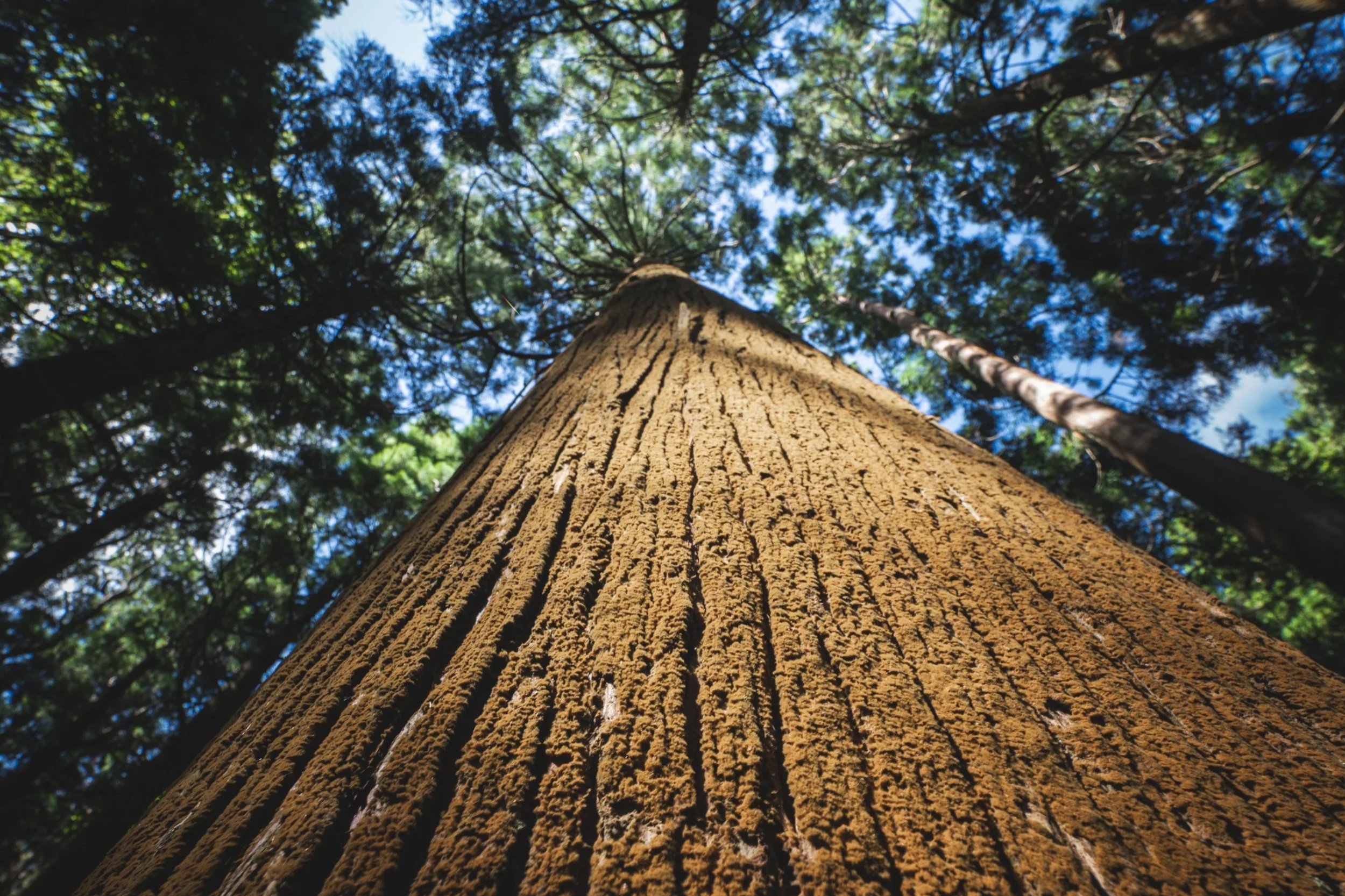
A tree that grows on shallow roots goes over in the first serious wind. A tree that builds deep enough roots first, and picks a good spot to do it, grows faster, reaches further, and survives conditions that stop everything around it. The sequoia doesn’t rush its roots, it grows them deep before anything appears above the ground. And when it does appear, it lasts for centuries.
The sequence isn’t a constraint. It’s the thing that makes the race worth running. Because the pressure doesn’t stop at the pitch. It just changes shape.
Check out how this looks in real life in our Seed courses.